



Helpful Tips if Your Child is Experiencing Separation Anxiety at Drop-Offs
If drop-offs have been filled with tears, worry or second-guessing yourself, take a deep breath, you’re not alone. Separation anxiety is a natural part of many children’s early learning journey, and with time, patience and the right support, it does get easier.
Separation Anxiety Is More Common Than You Think
Starting daycare is a big milestone: for your child and for you.
If your little one cries when it’s time to say goodbye, clings to your leg or reaches for one last cuddle, you’re not alone. Many families experience this during the first few days or weeks of care, and while it can be emotional, it’s also a completely normal part of your child’s development.
At Keiki, we know that trusting someone else to care for your child is one of the biggest decisions you’ll make. That’s why we’re here to support your whole family through this transition, with patience, understanding and plenty of reassurance.
Why Does Separation Anxiety Happen?
From the moment they’re born, children begin forming strong emotional bonds with the people who care for them. These relationships help them feel safe, loved and secure.
Developmental psychologist John Bowlby described these bonds as attachments, and they’re an important part of healthy emotional development.
When children begin daycare, they’re learning something new, that even when you leave, you’ll always come back. Until they fully understand this, saying goodbye can feel overwhelming.
Your child may become upset because:
- You are their safe place and the person they know best.
- They are adjusting to a new environment with new faces, sounds and routines.
- They are still developing the confidence that separations are temporary.
As difficult as it can be to witness, tears at drop-off are often a sign of a healthy, secure attachment, not a sign that anything is wrong.
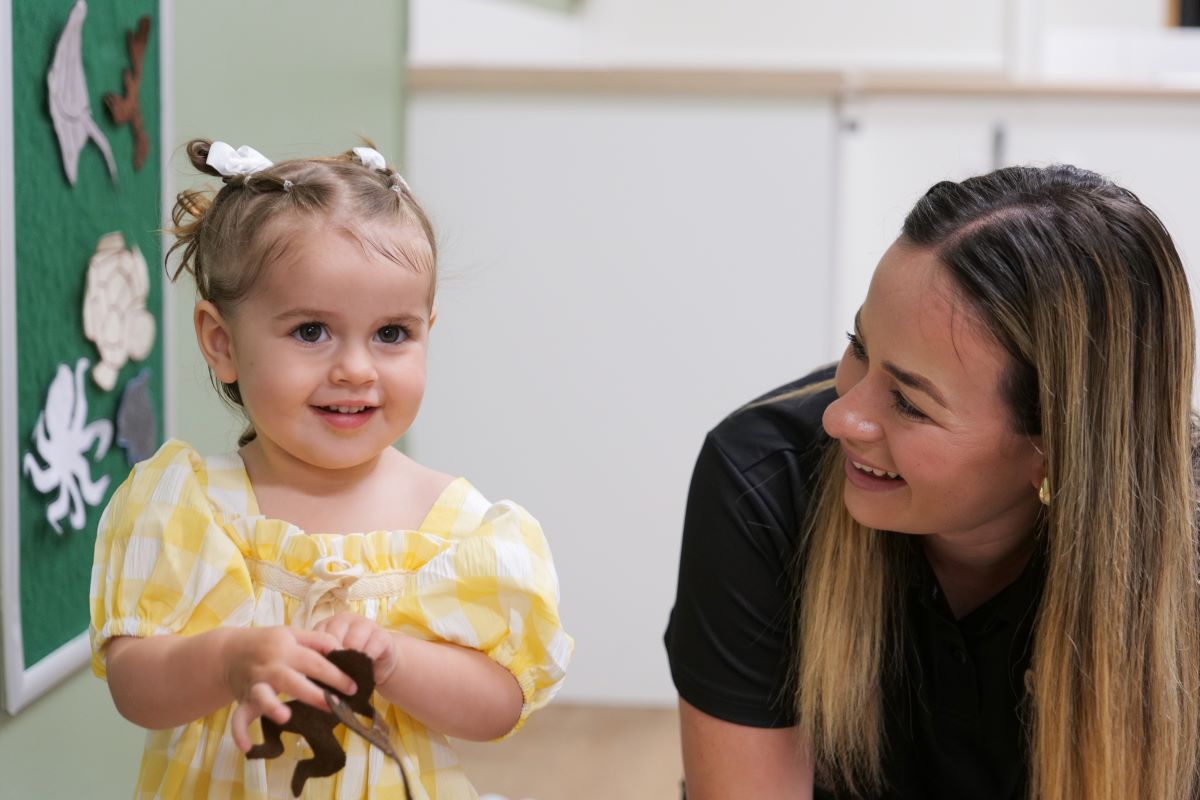
What You Can Expect at Drop-Off
Truth be told, every child settles into care differently. Some children walk straight in with a smile, while others need a little more time to feel comfortable. During the early weeks, it’s common for children to:
- Cry or become upset when you leave.
- Want extra cuddles or reassurance.
- Take some time to settle into the day’s activities.
- Experience a mix of emotions as they adjust to their new routine.
These feelings are a normal part of the transition and usually become easier as your child builds confidence and familiarity.
How Our Educators Help Your Child Feel Safe
One of the most important parts of helping children settle into daycare is building trusting relationships.
Our educators take the time to truly get to know each child: their personality, interests, routines and the little things that help them feel comfortable. We support children by:
Building meaningful relationships
Wherever possible, your child will have a key educator they can connect with and turn to for comfort. This is alongside our long-term team of familiar educators in each room. Strong, consistent relationships help children feel safe and supported as they adjust.
Offering comfort and reassurance
When children are upset, our educators respond with warmth, patience and care. Whether that’s a cuddle (where appropriate), gentle reassurance or simply sitting alongside them, we’re there to help them feel secure.
Creating familiar routines
Young children thrive on predictability. Consistent daily routines and rituals help children understand what comes next, giving them a sense of confidence and security throughout the day.
Encouraging play and connection
As children begin to feel more comfortable, their curiosity naturally grows. Through self-directed play, exploration and positive interactions with educators and other children, they begin developing a genuine sense of belonging.

Trust Takes Time
Settling into daycare doesn’t happen overnight, and that’s okay.
As your child becomes familiar with their educators, daily routines and new surroundings, you’ll often notice positive changes, including:
- Easier goodbyes at drop-off.
- Growing confidence and independence.
- Increased enjoyment throughout the day.
- Strong relationships with educators and other children.
These are wonderful signs that your child is developing new, secure relationships while maintaining the strong bond they have with you.
How You Can Support Your Child
You play an important role in helping your child feel confident during this transition. Some simple ways you can help include:
- Keeping your drop-off routine calm, positive and consistent.
- Saying goodbye confidently, even when it’s emotional.
- Avoiding leaving without saying goodbye, as this can make future separations more difficult.
- Sharing information with educators about your child’s routines, comfort items or anything happening at home.
- Continuing to spend quality time together outside of daycare, reinforcing the secure connection you already share.
Children are incredibly perceptive. They often take their emotional cues from the adults around them, so your calm reassurance can help them feel more confident too.
We’re Here for You Every Step of the Way
At Keiki, we understand that settling into daycare is a journey for the whole family. If you’re feeling worried or simply wondering how your child is going after you’ve left, please know you’re always welcome to get in touch. Our team is happy to provide updates, answer your questions and offer reassurance whenever you need it.
Together, we’ll help your child build confidence, form meaningful relationships and feel safe, secure and happy in their new learning environment.