


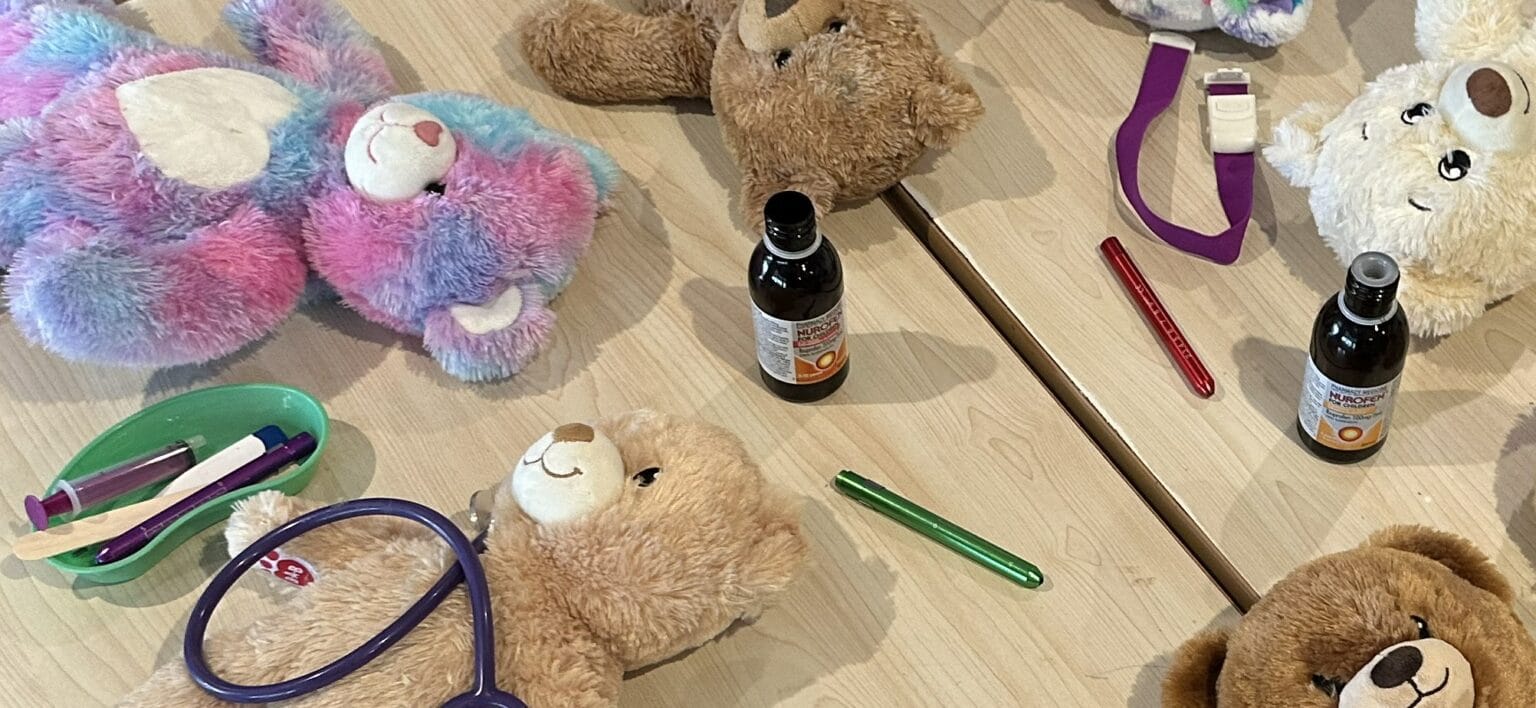
Since opening in 2003, the health and safety of children, staff and families has been the number one priority at Keiki Early Learning.
Every parent wants peace of mind when leaving their child in someone else’s care and knowing what to look for in a child-safe daycare is more important than ever. At Keiki, our child-safe strategies include keeping children emotionally secure and healthy, providing safe environments, and implementing safety learning within our curriculum.
Heath and Wellbeing Practices
We know that in order for a child to be able to learn, they first need to feel safe. Feeling emotionally safe and secure helps them to develop the confidence to form secure relationships with their educators and peers, and to explore new concepts or environments.
The benefits aren’t just for now, this can extend on into later years. One study revealed that children who had secure relationships in early childhood performed better through to age seventeen in critical thinking tests.
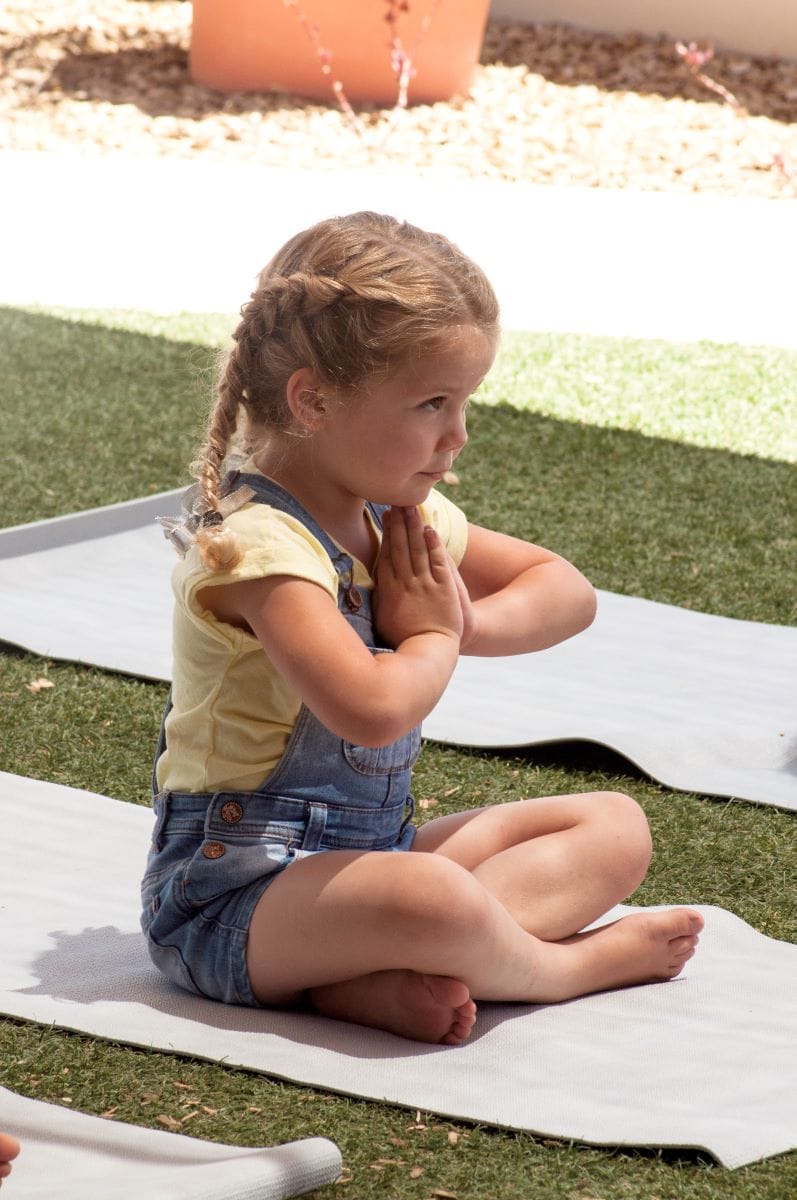
Nutritional food is provided throughout the day to fuel growing minds and bodies, and we focus on healthy habits through regular handwashing. Cleaning is completed throughout the day, following recommendations from current guidelines and approved sources. Children’s and educator’s wellbeing is a focus as we practice strategies such as yoga, breathing and mindfulness within our normal routine.


Providing child-safe environments
Providing child-safe environments includes the physical environment and the expertise of our team. All educators are required to gain their first aid and CPR, child protection, fire safety equipment, safe food handling and asthma and anaphylaxis emergency management qualifications. First aid training is provided free of charge and as a term of employment for all permanent educators. Many of our staff are long-term Keiki Crew, and we use regular Keiki casuals rather than agency staff where possible; ensuring that children can always have the familiar support and care they need.
Environments are designed in a way that promotes supervision and sun safe practices while supporting children’s access to spaces for physical activity or rest. Secure entry and exit points for families and visitors provide added security. Many services require anyone entering to have a unique pin code, while school age care services utilise coded gate locks and additional supervision strategies.

Safety within our Learning Program & Daily Routines
Health and safety learning is regularly incorporated within the curriculum for all ages. Some of the focuses through the year include protective behaviours, dental health, safe sleeping, water safety and wellness days. Children’s privacy and safety is always carefully considered during daily care routines such as nappy changing and sleeping.
Emergency situations are practiced on a regular basis. All children know what to do in the event of an evacuation, lock down or if there is a medical emergency. Most children love to evacuate the building and will tell you all about it at collection time!
Compliance and Auditing
At Keiki, we employ a dedicated internal Compliance team, responsible for supporting each service to maintain child-safe practices. In addition, an external consultant conducts regular audits throughout the year to ensure all policies, procedures and child-safe legislation is followed.
Please click here for a comprehensive view of child safe strategies at Keiki; or if you have any queries, you can email the Keiki Hub via schools@keikiearlylearning.com.au.
Find a centre near you
Or you can view all centers